Audience: Researchers, and General Audience
Tools: Autodesk Maya, Arnold Renderer, Adobe Photoshop
Dimensions: 8.5" X 11"
Sketches and Ideation
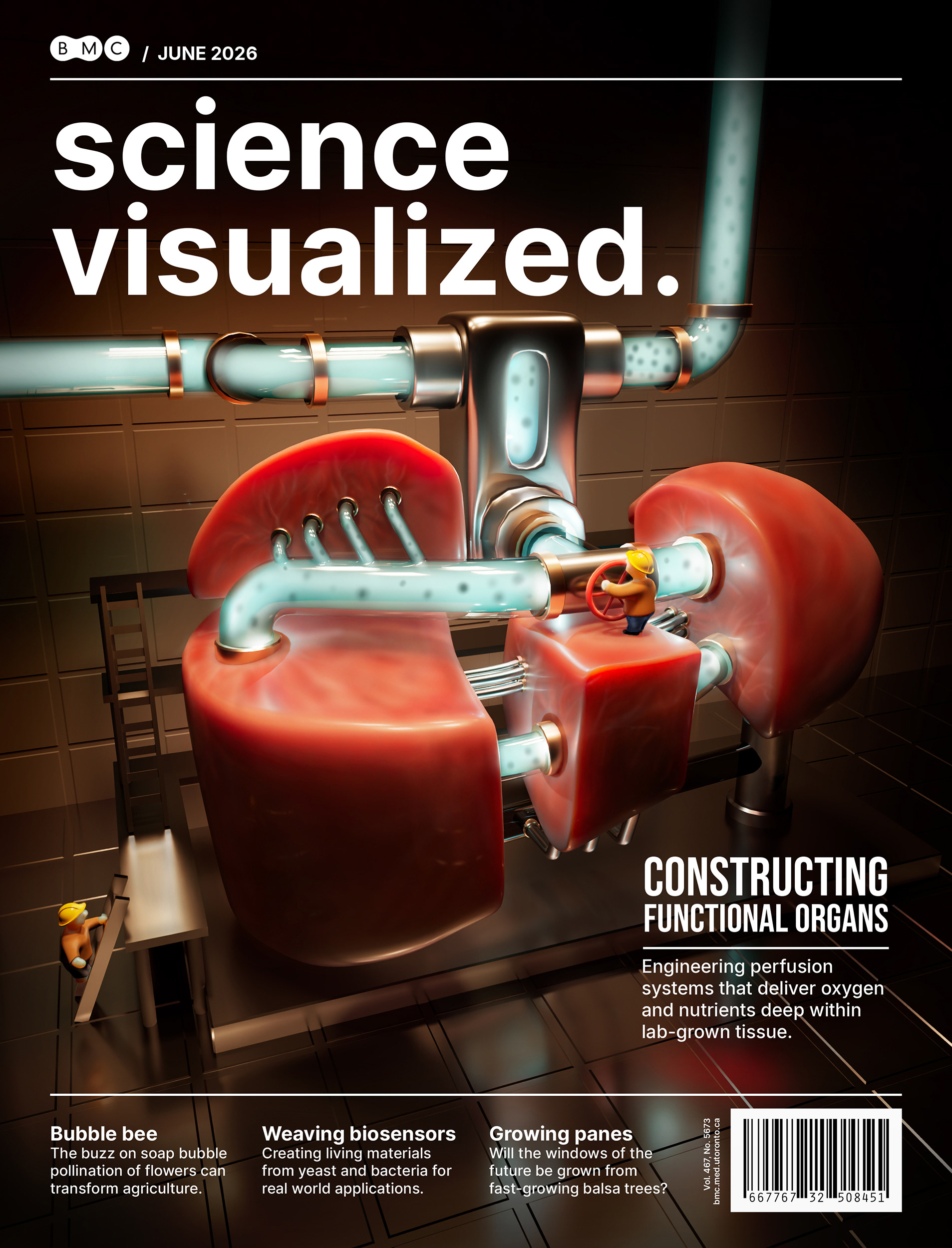
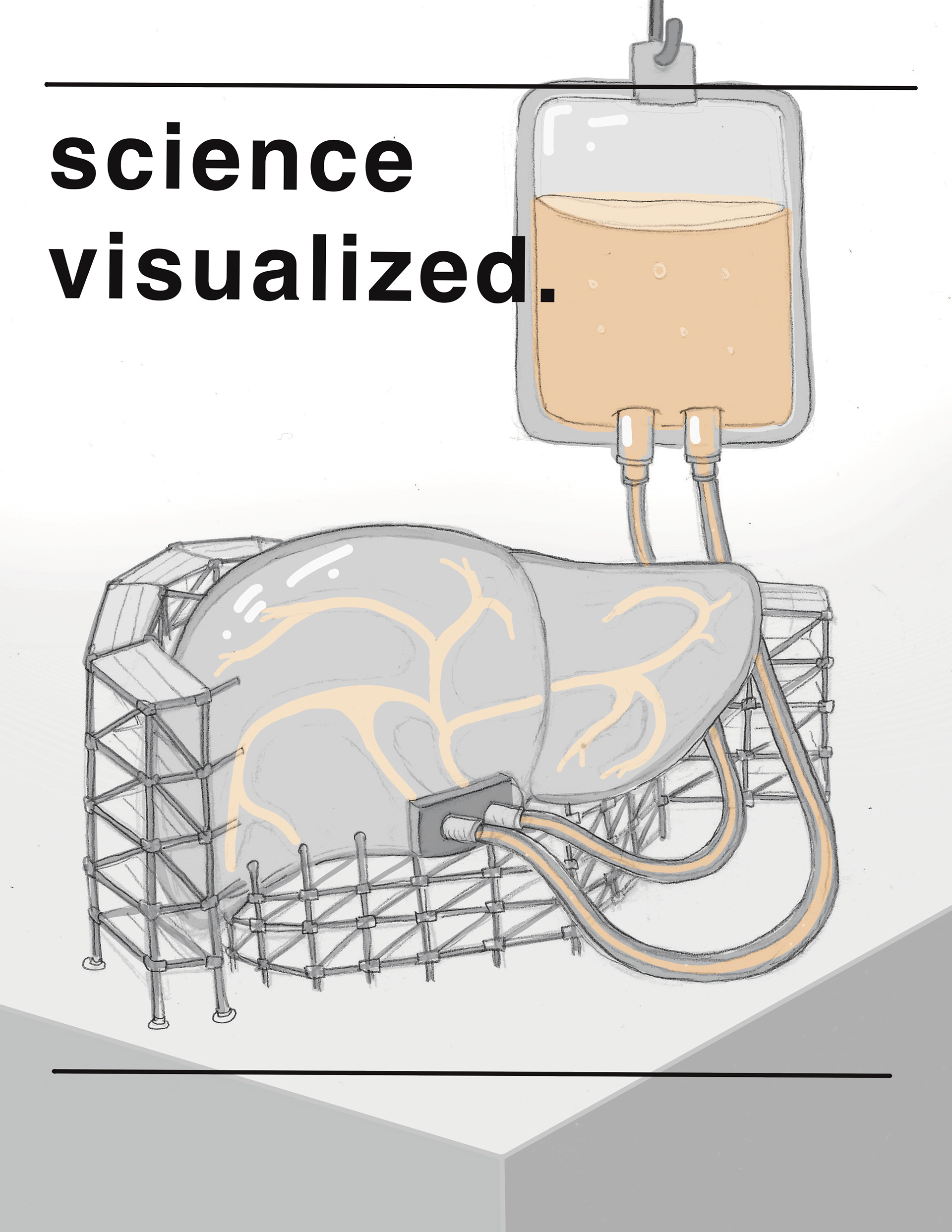
Initial sketches explored the concept of lab-grown organs being physically constructed through a controlled perfusion system. The early design combined organic liver forms with industrial scaffolding, tubing, and nutrient delivery systems to communicate the relationship between engineered structures and biological growth. Visible microvascular pathways were incorporated into the liver to emphasize internal perfusion and nutrient distribution.
Comprehensive Design
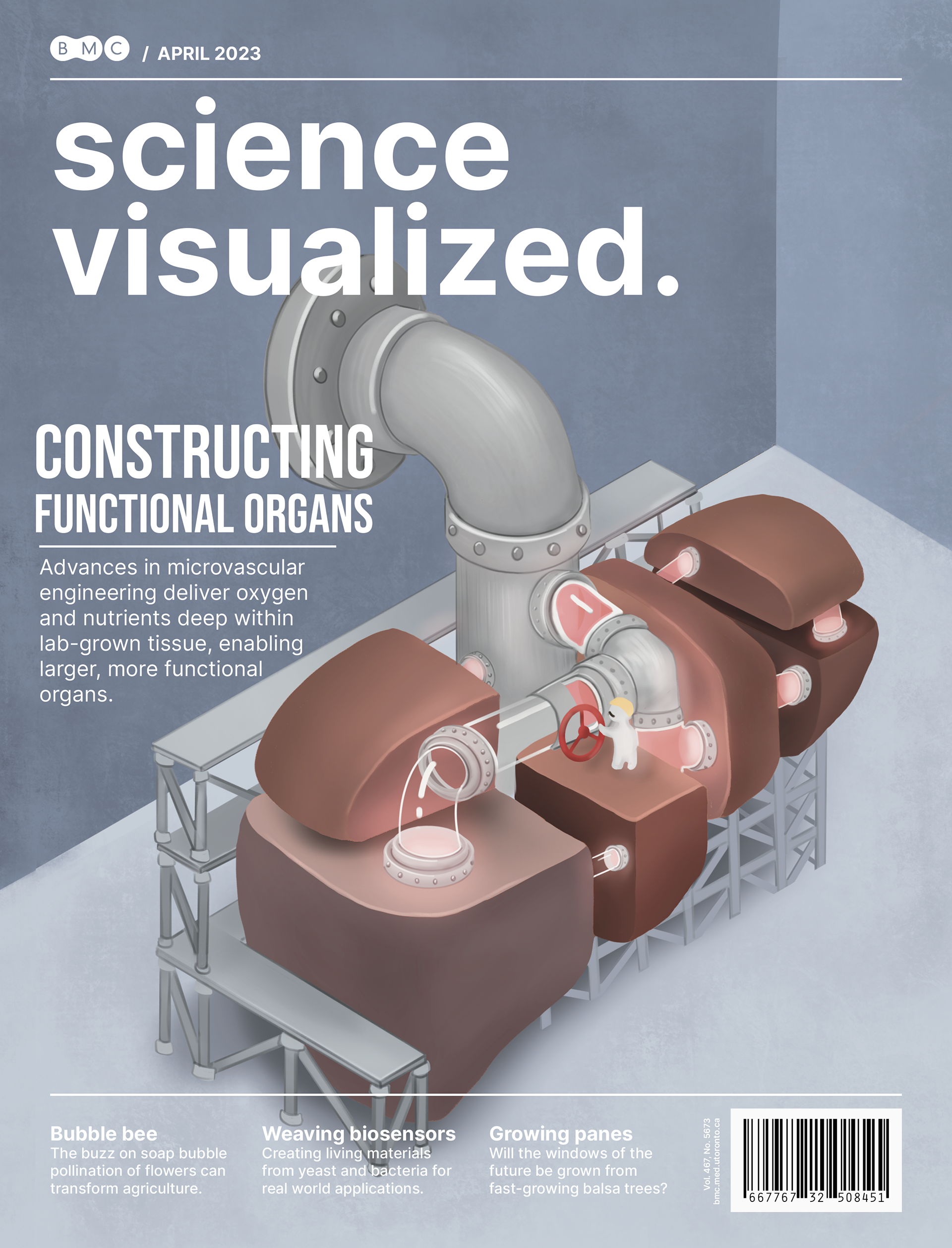
Following feedback, the concept evolved from a single large industrial pipe system into a more controlled bioreactor environment focused on tissue perfusion and organ construction. Feedback suggested that the original scaffolding was visually dominant and that the scene could better communicate the idea of lab-grown tissue through a balance of lab and construction elements.
This comprehensive explored a centralized perfusion system supplying oxygen and nutrients into the organ tissue while introducing additional storytelling elements such as scaffolding platforms, technicians, and transparent chamber sections. The composition also experimented with breaking the liver into multiple sections to reveal internal structure and emphasize the process of engineered tissue growth.
Scene Blocking
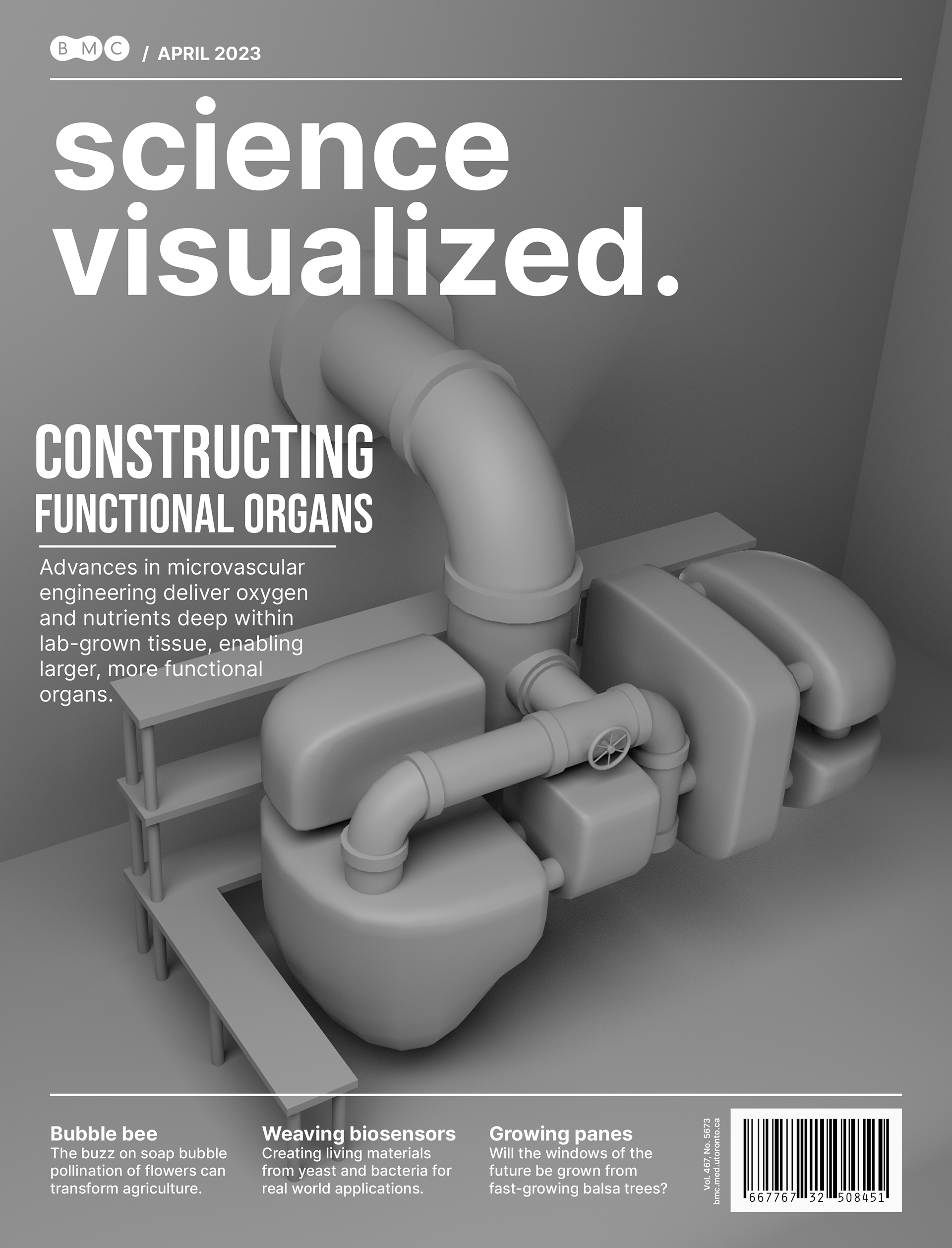
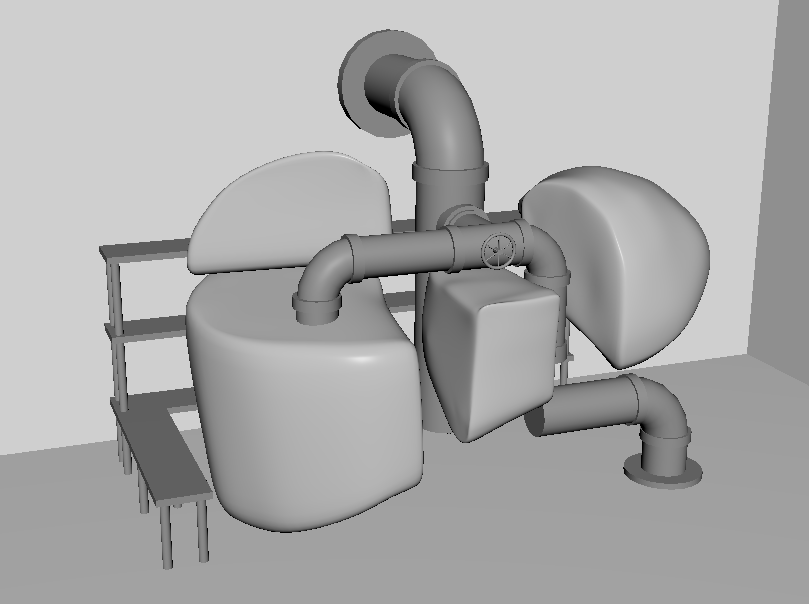
The project then moved into the 3D block-in stage within Maya, where the primary focus was establishing composition, scale, and visual hierarchy using simple geometry and primitive shapes. This stage explored the overall arrangement of the liver sections, perfusion pipes, and scaffolding while testing different camera angles and lighting options. Blocking the scene in 3D also helped refine the relationship between the industrial structures and organic forms before developing final materials, and environmental storytelling elements.
Liver Modeling & System Integration
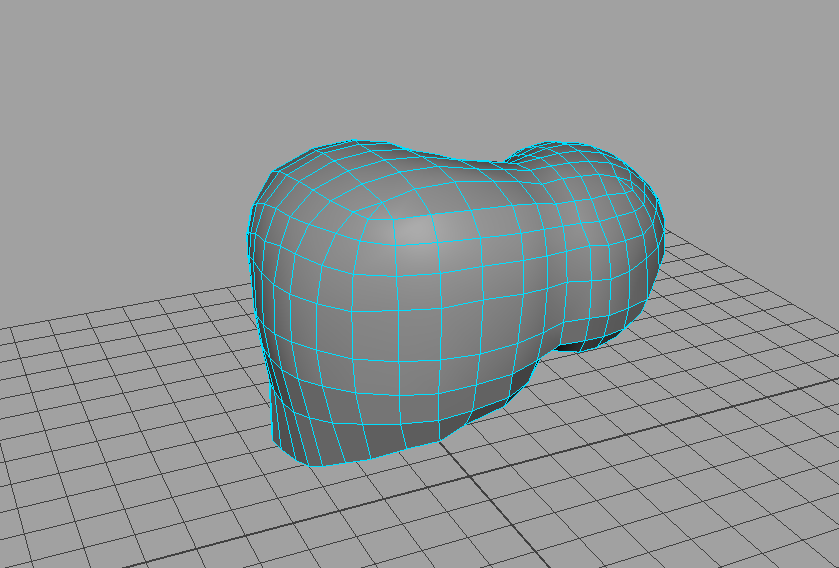
To create the organ forms, a segmented liver model was first retopologized to produce cleaner geometry that could be more easily modified and integrated into the scene. Simplifying the topology allowed for smoother surfaces, cleaner lighting, and better control when slicing and reshaping the organ for the final composition.
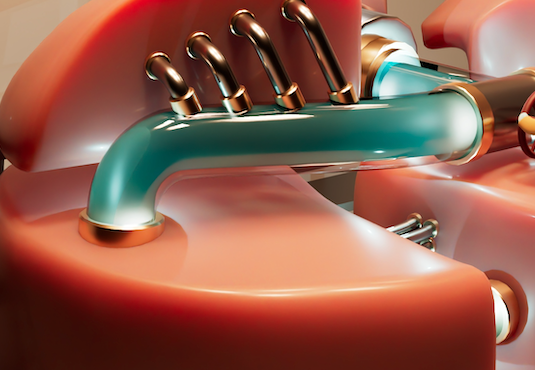
After retopology, the liver was divided into multiple sections to reveal internal space and support the idea of engineered tissue construction. The sliced liver forms were then integrated into the perfusion system by connecting them to the chamber and piping network, helping communicate the delivery of oxygen and nutrients throughout the developing tissue.
Character & Environmental Storytelling
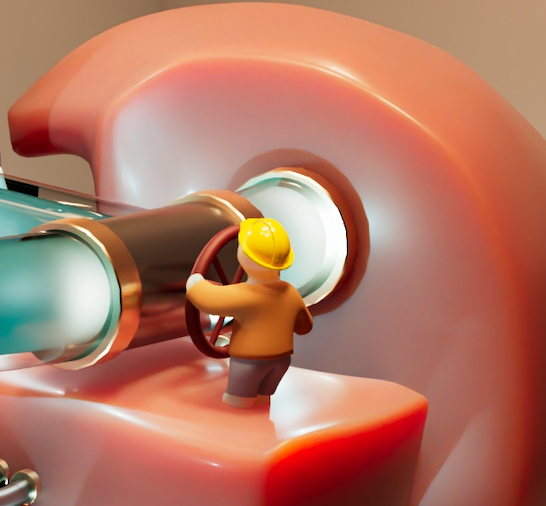
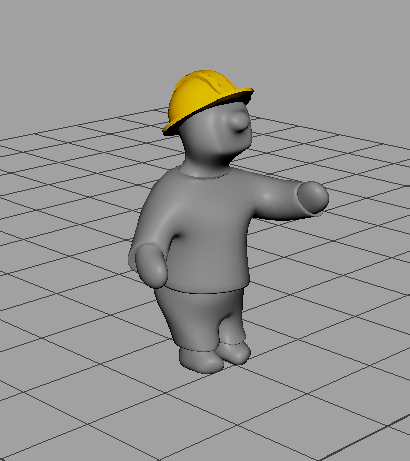
To reinforce the construction theme and provide a sense of scale within the scene, simplified construction inspired characters were modeled and staged throughout the environment. The stylized figures were intentionally kept low in detail to maintain focus on the organ system while still supporting the editorial narrative.
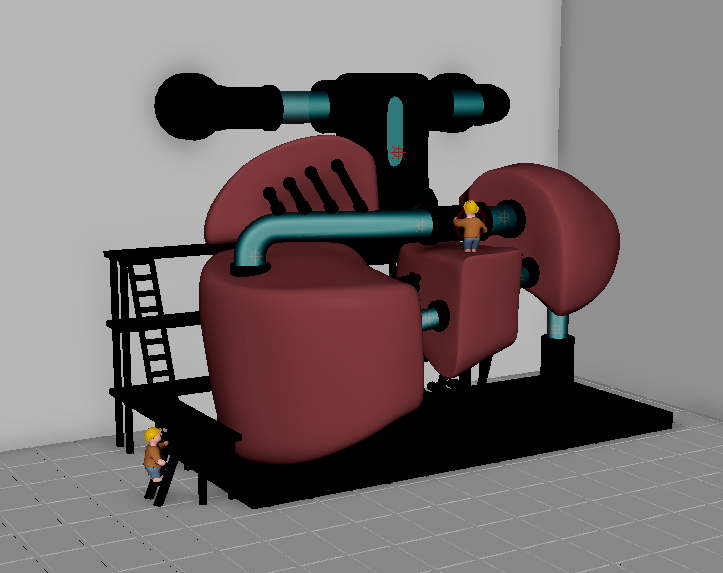
The addition of scaffolding platforms, ladders, and construction workers helped bridge the visual relationship between engineered infrastructure and biological growth, further emphasizing the idea of functional organs being actively assembled and maintained. During this stage, preliminary materials and colour relationships were also introduced to begin distinguishing the organic tissue, industrial piping system, and environmental structures before moving into final material development and rendering.
Materials & Rendering
Final materials were created using Maya Arnold shaders, primarily through the use of the aiStandardSurface material. Different material properties were adjusted to distinguish the contrast between the soft biological tissue and the engineered industrial systems within the scene.
For the liver tissue, subsurface scattering was incorporated to simulate the way light penetrates and scatters throughout organic material. This helped create a softer and more translucent appearance that better represented biological tissue. Additional roughness and specular adjustments were used to create subtle surface variation and reflective highlights across the organ.
The piping system and chamber components used more reflective metallic materials to contrast the softer liver surfaces and reinforce the industrial engineering theme. Glass materials were also introduced within sections of the perfusion system to suggest fluid transport.
Point lights were strategically placed at the locations where the perfusion pipes entered the liver tissue to create the impression that oxygen and nutrients were actively sustaining the organ. These illuminated connection points helped reinforce the idea of a living, functioning tissue system while also guiding the viewer’s attention towards those areas.
The overall lighting setup was designed to simulate focused pot lighting within an underground laboratory environment. Concentrated overhead lighting helped create a more enclosed and industrial atmosphere while emphasizing the central organ system.